
How Well Do Interior Waterproofing Solutions Work for Basements
Interior basement waterproofing solutions tackle water intrusion right at the source by collecting, sealing, and diverting moisture before it can cause any structural damage.
Interior Waterproofing Effectiveness
Interior waterproofing systems are engineered to manage water intrusion by collecting, sealing, and diverting moisture before it causes structural damage to your basement. These systems typically include drain tile, sump pumps, wall sealants, and crack repair methods to create a comprehensive approach to basement waterproofing. As basement waterproofing experts, we understand the importance of a complete system.
We understand that Minneapolis homeowners face unique basement challenges—from clay soil and spring thaw to frost heave—so we’ll examine how interior drain tile, sump pumps, wall sealants, and crack repairs combine into a comprehensive strategy. This guide defines core components, evaluates local performance, addresses common problems, explores climate impacts, breaks down costs, and advises on selecting the right contractor to keep your basement dry and healthy with MDry Basement Waterproofing Minneapolis’s proven methods.
Interior Waterproofing Solutions and How They Work
Interior waterproofing integrates engineered systems and barrier treatments inside a basement to redirect or block water intrusion, preserving foundation integrity. It relies on a combination of collection, mechanical removal, and sealing to manage seepage and hydrostatic pressure. Our team at MDry Basement Waterproofing Minneapolis specializes in addressing these basement water problems.
What Interior Basement Waterproofing Entails
Interior basement waterproofing employs in-floor drain channels or perimeter piping to gather water that collects along wall-floor joints and seepage points. By routing moisture toward a sump pump, it prevents water accumulation under slabs and behind foundation walls, protecting concrete and improving indoor air quality.
This proactive collection system leads us to examine the specific technologies that form a full interior waterproofing package. Our team at MDry Basement Waterproofing Minneapolis specializes in these comprehensive solutions.
Key Systems Included in Interior Waterproofing
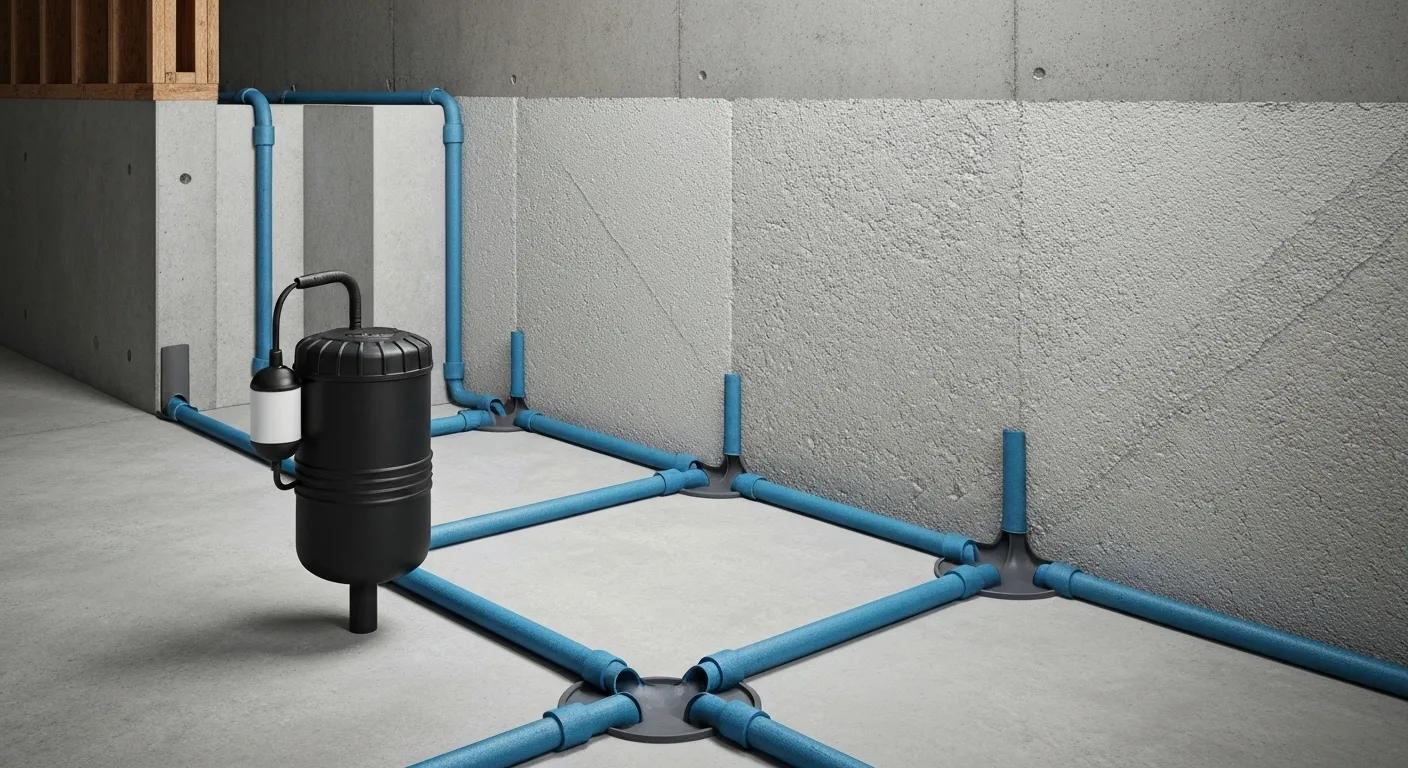
Interior waterproofing consists of four integrated subsystems that work together to keep a basement dry:
- Interior drain tile or French drain to capture subsurface water
- Sump pump system to remove collected water efficiently
- Wall sealants and vapor barriers to block moisture penetration
- Crack repair methods (hydraulic cement, epoxy injection) for structural sealing
These elements form a continuous moisture-management network, ensuring that water is intercepted, sealed, and expelled before it compromises your foundation.
How Interior Drain Tile Systems Manage Basement Water
Interior drain tile systems install perforated pipe in a gravel bed along the basement perimeter to intercept water migrating through soil or around footings. As water enters the pipe, gravity directs it to a sump pit, where a pump activates to remove it.
By converting diffuse seepage into a controllable flow, drain tile alleviates pressure on walls and floors and channels water away from vulnerable joints.
The Role of Sump Pumps in Interior Waterproofing
A sump pump provides the active removal mechanism for collected water. Primary pumps with ½–1 HP motors automatically discharge water through a discharge line above grade. Battery-backed units ensure continued operation during power outages.
Reliable pump performance prevents pit overflow, maintains a dry slab, and supports uninterrupted basement use even in heavy rain or snowmelt.
How Basement Walls Are Sealed from the Inside
Interior wall sealing applies waterproof coatings (such as Drylok® masonry paint) and installs vapor barriers to block capillary moisture. These treatments adhere to concrete, filling pores and creating a moisture-resistant layer.
Combined with drain tile, wall sealants stop incidental seepage and help maintain stable humidity levels, safeguarding finishes and reducing mold growth.
Effectiveness of Interior Waterproofing Solutions for Minneapolis Basements
Advantages of Interior Waterproofing for Minneapolis Homeowners
Minneapolis property owners benefit from interior methods in several key ways:
- Cost-effectiveness – Installation typically runs 40–60% less than full exterior systems.
- Minimal disruption – Work occurs indoors, preserving landscaping and eliminating exterior excavation.
- Year-round installation – Interior access allows service during winter thaw and summer rains.
Cost-Effectiveness of Interior Waterproofing
Interior waterproofing methods are often more cost-effective than exterior systems, with installation costs typically running 40–60% less. This cost advantage, combined with minimal disruption to landscaping, makes interior waterproofing an attractive option for homeowners. Our experienced basement waterproofing Minneapolis professionals at MDry Basement Waterproofing Minneapolis ensure you receive the best value.
These advantages translate into rapid project completion and immediate protection for your foundation.
How Interior Waterproofing Improves Indoor Air Quality and Mold Prevention
By intercepting water before it seeps into living areas, interior systems reduce relative humidity below 60%, limiting mold-friendly conditions. Consistent moisture control also diminishes musty odors and airborne spores.
Improved air quality fosters healthier environments, particularly for individuals with allergies or respiratory sensitivities.
Limitations and Maintenance Needs of Interior Waterproofing
Interior solutions manage water after it enters and require periodic maintenance to ensure reliability:
- Reactive system – Does not prevent water from reaching the drain tile.
- Routine pump checks – Sump pumps need annual inspection and battery backup testing.
- Hydrostatic pressure – Excessive external pressure can overwhelm the system if not combined with proper wall sealing.
Understanding these considerations ensures long-term success and informs complementary measures like exterior drainage if needed.
Common Interior Waterproofing Problems and Their Solutions
Water intrusion manifests through cracks, pressure buildup, and humidity—each requiring targeted repair and control methods. We provide professional basement waterproofing to address these issues.
How Basement Cracks and Leaks Are Repaired from the Inside
- Hydraulic cement expands within fissures to form a watertight plug.
- Epoxy injection bonds deep cracks, restoring structural integrity.
- Polyurethane sealants fill active leaks with flexible, pressure-resistant material.
These methods halt ongoing seepage, leading to a stable substrate for coatings and drain tile installation.
How Interior Waterproofing Manages Hydrostatic Pressure
Interior systems relieve hydrostatic pressure by collecting groundwater at the slab level and along wall bases. Redirecting this water into a sump pit prevents intense lateral forces that can crack walls or bow footings.
Controlling water at the source reduces foundation stress and mitigates potential structural damage over time.
Solutions to Control Basement Humidity and Musty Smells
- Dehumidifiers with 30–70 pint capacity keep relative humidity under 50%.
- Inline fans and air-exchange units promote fresh airflow and inhibit mold growth.
- High-efficiency particulate air (HEPA) filters capture mold spores, improving air purity.
Combining humidity control with interior waterproofing preserves a clean, dry basement environment.
How Minneapolis Climate and Soil Conditions Affect Interior Waterproofing Effectiveness
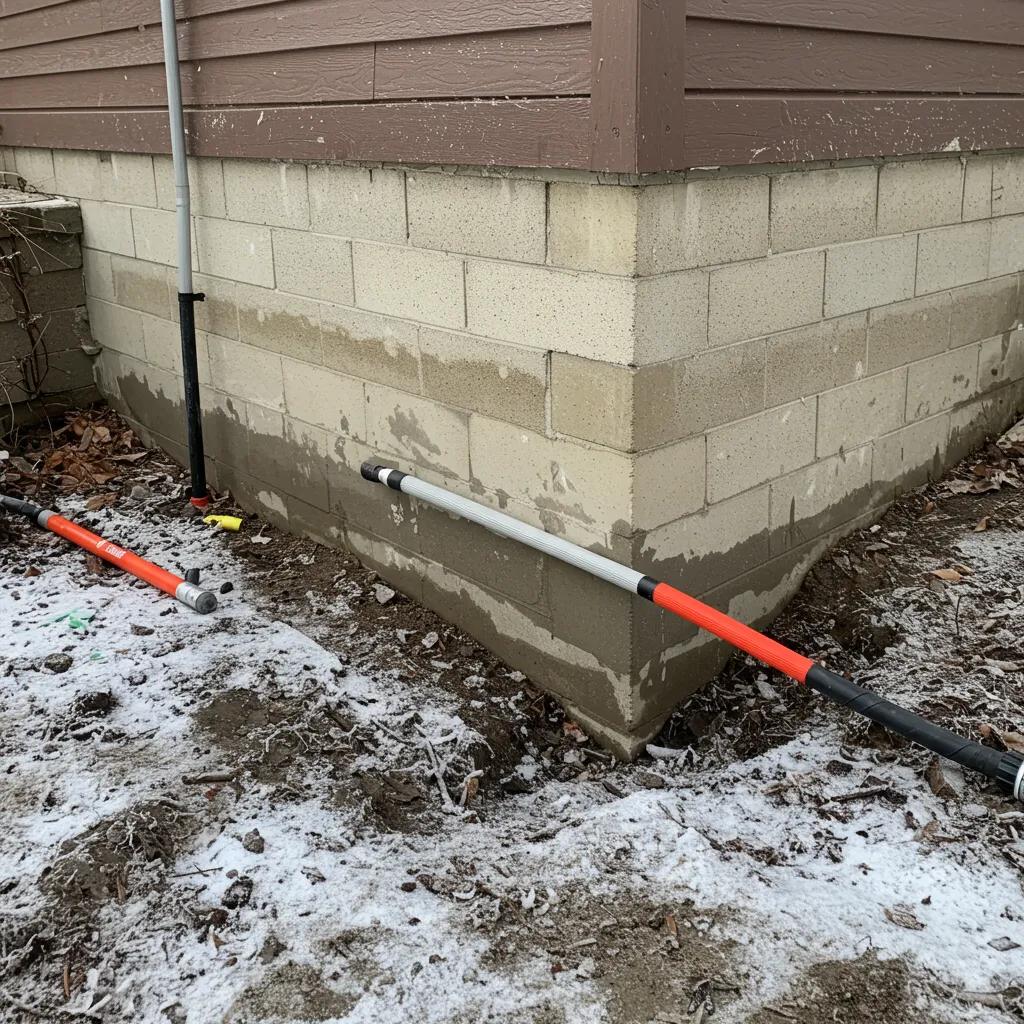
Local environmental factors dictate system design and material choices to ensure reliable performance. Our expertise in basement waterproofing Minneapolis ensures our solutions are tailored to these conditions.
Basement Challenges Caused by Minneapolis Weather and Soil
- Heavy spring snowmelt that raises water tables rapidly
- Clay soil with low permeability, forcing water against foundation walls
- Frost heave cycles that shift slabs and expand cracks
How Interior Waterproofing Solutions Are Tailored for Minneapolis Basements
We customize systems by:
- Installing drain tile below frost line to avoid freeze-thaw blockages
- Selecting high-capacity, corrosion-resistant sump pumps rated for heavy inflows
- Applying vapor barriers and high-adhesion coatings designed for cold climates
- Incorporating battery backups and alarm systems for uninterrupted protection
These tailored approaches are a hallmark of our basement waterproofing Minneapolis services.
The Cost of Interior Waterproofing Solutions in Minneapolis
Investment in interior waterproofing reflects system complexity, materials, and labor. A clear cost breakdown helps homeowners budget effectively.
Typical Price Ranges for Interior Drain Tile and Sump Pump Systems
The table below illustrates average costs in Minneapolis:
How Interior Waterproofing Compares to Exterior Methods in Cost and Disruption
Interior and exterior waterproofing differ significantly:
- Interior: 40–60% lower labor/material cost, no landscaping impact, faster completion.
- Exterior: Prevents water before contact, but the average cost doubles, requires excavation, and site restoration.
Homeowners often choose interior systems for budget-friendly, minimally invasive solutions with proven reliability. We are experts in basement waterproofing Minneapolis, offering efficient and effective solutions.
Can DIY Interior Waterproofing Save Money, and What Are the Risks?
- Skill gap – Improper drain tile slope or sealant application can lead to failure.
- Warranty void – Manufacturer and installer guarantees typically exclude DIY work.
- Long-term costs – Repairs and retrofits often cost more than hiring professionals initially.
Professional installation ensures system integrity, full warranty coverage, and peace of mind.
Choosing the Right Interior Waterproofing Contractor in Minneapolis
Selecting a qualified contractor ensures effective installation, reliable warranties, and lasting performance. We are your trusted interior waterproofing basement specialists.
Questions to Ask a Minneapolis Waterproofing Company
Before hiring, be prepared to ask:
- What is your experience with interior basement waterproofing in Minneapolis?
- Which drain tile and sump pump brands do you install?
- Do you offer free inspections, detailed proposals, and soil-grade assessments?
- What warranties cover labor, materials, and transferable guarantees?
Why Professional Assessment Is Crucial Before Interior Waterproofing
A thorough evaluation identifies the root cause of water intrusion and wall movement. Soil tests, foundation inspections, and moisture readings guide system design, ensuring that drain tile placement, pump capacity, and sealant choices match the specific hydrostatic conditions of your basement.
Warranties and Guarantees Offered for Interior Waterproofing Systems
Reputable contractors provide:
- Labor Warranty (5–10 years) on installation workmanship
- Product Warranty (5–25 years) on pumps, pipe, and coatings
- Transferable Guarantee for future property owners
Frequently Asked Questions About Interior Waterproofing Solutions
Homeowners often inquire about effectiveness, system choice, cost, and products. Below are concise, featured-snippet-ready insights.
Is Interior Basement Waterproofing Effective for Preventing Water Damage?
Interior waterproofing effectively captures and redirects water that enters a basement, reducing moisture levels significantly and preventing floor and wall leaks with a closed-loop drainage and sump pump system.
What Is the Best Interior Waterproofing System for Basements?
A combined solution featuring interior drain tile, a high-capacity sump pump with battery backup, and a high-adhesion wall sealant (e.g., Drylok®) delivers the most reliable protection and moisture control.
How Much Does Interior Basement Waterproofing Cost in Minneapolis?
Typical costs range from $4,000 to $12,000 depending on basement size, system complexity, and soil conditions, with most homeowners investing around $7,000 for a complete drain tile and pump installation.
What Are the Disadvantages of Interior Waterproofing Solutions?
Interior methods do not prevent water from reaching foundation walls, require ongoing pump maintenance, and can be overwhelmed by extreme hydrostatic pressure without supplemental exterior drainage.
Is Drylok a Good Waterproofing Paint for Basements?
When properly applied, Drylok products provide an effective secondary barrier against minor wall seepage, but they should complement—rather than replace—drain tile and mechanical drainage systems.
What Is an Interior French Drain and How Does It Work?
An interior French drain is a perforated pipe set in a gravel trench along the basement perimeter that intercepts seepage, channels water to a sump pit, and relies on a pump to expel moisture away from the foundation.
Interior waterproofing solutions combine these proven components into an integrated system that keeps your Minneapolis basement dry, healthy, and ready for storage or finishing. Contact MDry Basement Waterproofing Minneapolis today to schedule your free inspection and secure lasting protection for your home.