
Minneapolis Homeowners: Master Your Basement’s Moisture Issues with Proven Waterproofing Strategies
Nearly 60% of Minneapolis homes grapple with basement water intrusion, a serious threat to your home’s structure, the air you breathe, and its overall value. We’re here to break down the most effective basement waterproofing techniques, explain how our local clay soil and melting snow contribute to dampness, compare the pros and cons of interior versus exterior solutions, dive into cost factors and financing, and offer smart preventive measures and complementary foundation fixes. By integrating interior drainage, sump pumps, sealants, exterior membranes, improved grading, and crawl space encapsulation, MDry Basement Waterproofing Minneapolis delivers a complete, hassle-free strategy to keep your basement dry, healthy, and secure.
Top Basement Waterproofing Methods for Minneapolis Homes
The most effective basement waterproofing strategies combine interior systems that manage water already inside with robust exterior barriers that stop it from getting in. Interior drain tile systems capture seepage and guide it to a sump pump, while wall sealants create a barrier right at the concrete surface. Exterior membranes and smart soil grading prevent water from reaching the foundation walls in the first place, and encapsulated crawl spaces tackle humidity and mold in those crucial below-grade areas. Together, these methods build a layered defense system perfectly suited to Minneapolis’s freeze-thaw cycles and its signature clay-rich soil. Addressing potential foundation issues is a key part of our comprehensive approach.
How Interior Drainage Systems Keep Minneapolis Basements Dry
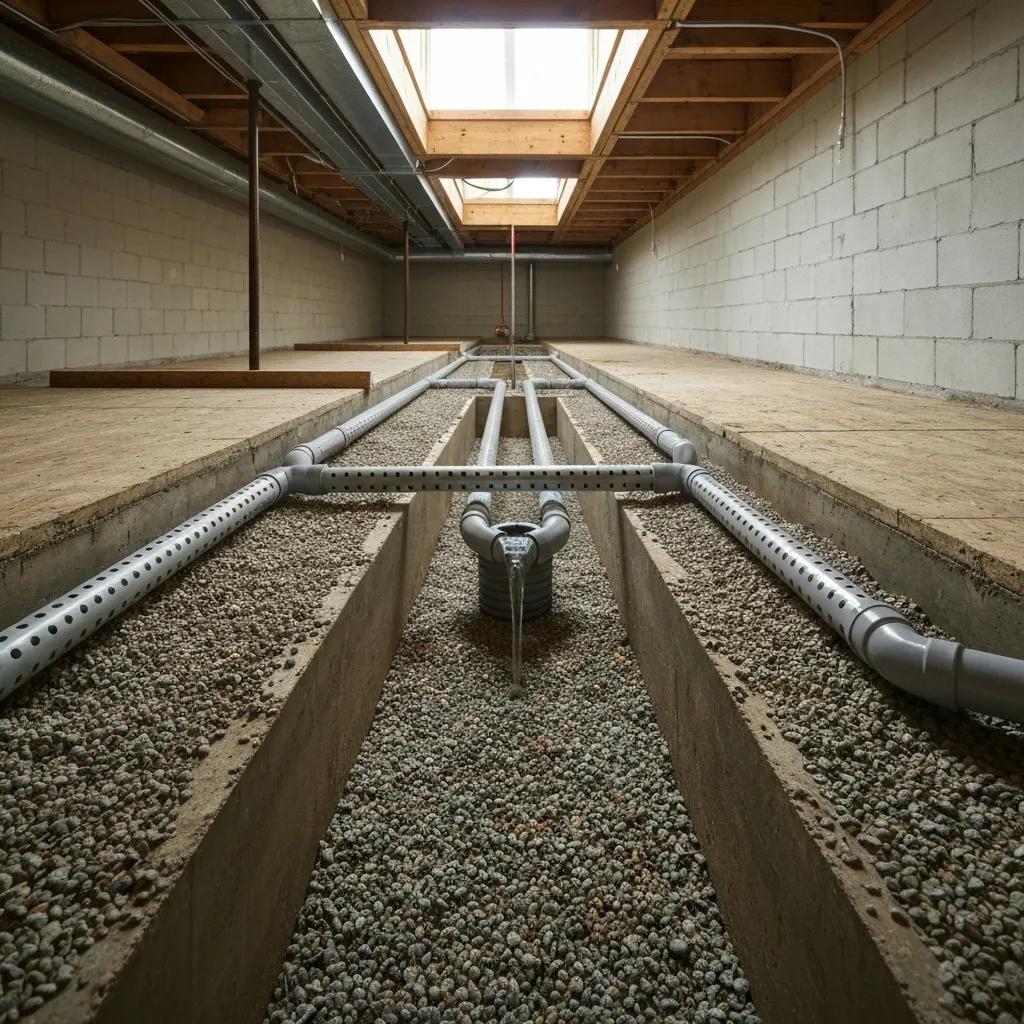
Interior drainage systems work by collecting groundwater around your basement’s perimeter and channeling it to a sump pump. They feature perforated pipes laid in gravel-filled trenches beneath the floor slab, effectively intercepting water moving horizontally. This setup significantly reduces hydrostatic pressure against your foundation walls and floors, boosting structural integrity. As groundwater flows into the drain tile, the sump pump efficiently removes it from the basement, preventing standing water and dampness.
By lowering the water table just below your floor, interior drainage creates the ideal foundation for your sump pump to work efficiently and for wall sealants to perform at their best.
Advantages of Installing and Maintaining a Sump Pump
Installing a sump pump is your best defense against basement flooding and seepage. Keeping it well-maintained ensures it always performs at its peak, with float switches, check valves, and battery backups functioning flawlessly. A properly maintained pump also contributes to better indoor air quality by minimizing the moisture that can lead to mold and wood rot. And with a battery backup, you’re protected even during power outages or severe storms.
Regular check-ups and cleaning not only extend your pump’s lifespan but also prevent costly emergency repairs, ensuring continuous protection for your Minneapolis home.
How Basement Wall Sealants and Coatings Work to Block Moisture
Basement wall sealants and coatings form a critical moisture barrier on concrete surfaces, effectively stopping capillary action. They penetrate the concrete’s pores, creating a hydrophobic layer that actively repels water and dampness. When applied correctly, these coatings enhance the concrete’s durability and help lower overall humidity levels. Different sealant formulations offer varying drying times, vapor permeability, and adhesion capabilities.
By combining mechanical drainage with advanced wall coatings, homeowners gain a powerful dual-layer defense against water intrusion and the dreaded mold.
Crawl Space Encapsulation is Crucial for Moisture Control
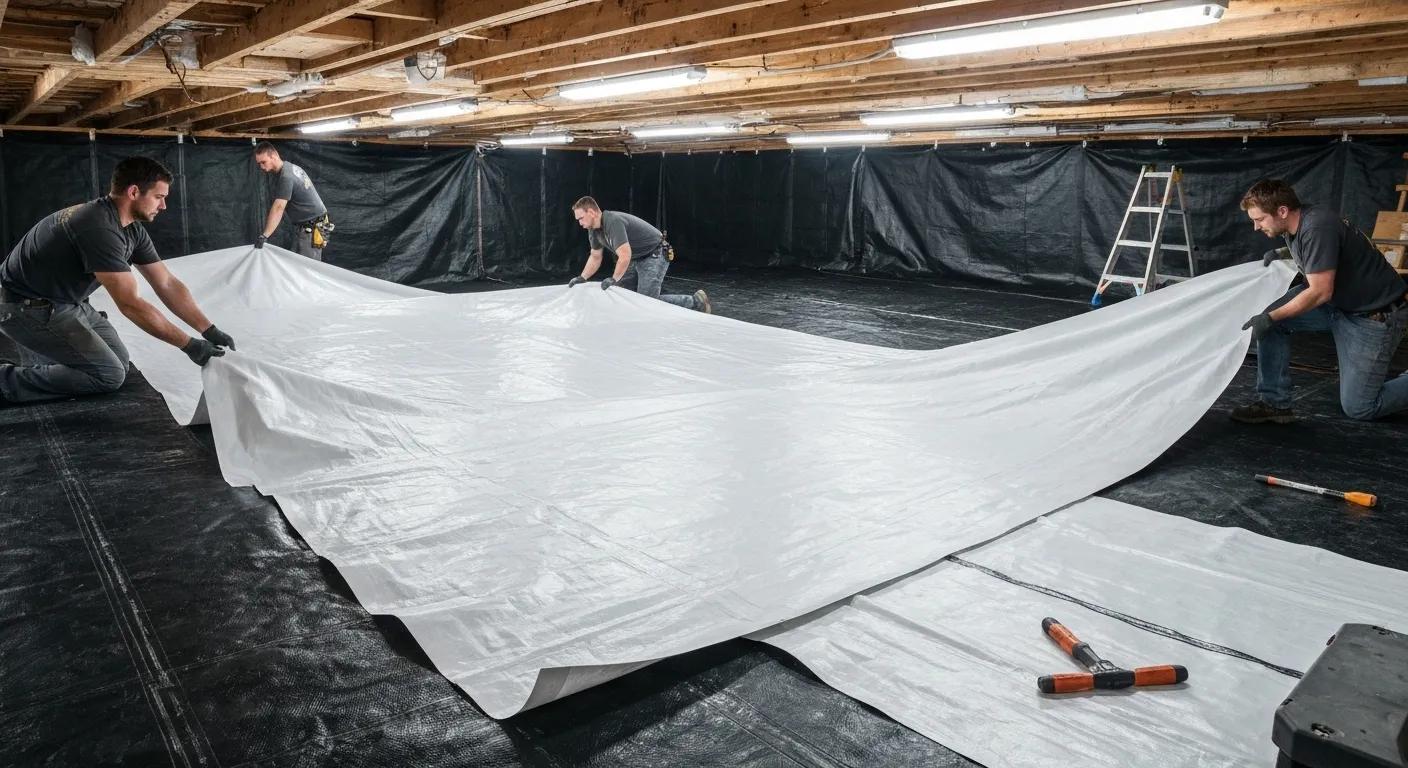
Crawl space encapsulation creates a sealed, continuous vapor barrier across the walls and floor, effectively locking out ground moisture. This process involves installing a robust polyethylene liner with meticulously taped seams and sealed penetrations to block humidity and deter pests. An encapsulated crawl space significantly improves indoor air quality by preventing mold spores from migrating into your living areas. When linked with dehumidifiers and proper ventilation, encapsulation balances humidity and supports more efficient heating and cooling. This is a vital component of our crawl space repair services.
Encapsulation not only preserves your home’s structural components but also complements your basement waterproofing efforts by addressing moisture issues across all below-grade spaces.
Exterior Basement Waterproofing in the Minneapolis Environment
Exterior basement waterproofing acts as a shield for your foundation walls from the outside, preventing water from ever reaching them. This comprehensive approach combines drain tile, specialized membranes, waterproof coatings, and strategic soil adjustments to manage both surface and subsurface water before it can cause problems. It offers superior long-term protection by actively diverting rain, snowmelt, and groundwater away from your foundation.
Exterior Drain Tile Systems and Their Key Benefits
Exterior drain tile systems are designed to intercept groundwater right at the foundation footings and redirect it to drainage outlets or daylight. They consist of perforated pipes, carefully sloped and surrounded by gravel and filter fabric to prevent clogs. By effectively lowering the surrounding water table, these systems reduce the damaging hydrostatic pressure on your basement walls and slabs. They also enhance overall landscape drainage, extend your foundation’s lifespan, and minimize the need for interior water pumping.
When installed correctly and inspected periodically, exterior drain tile systems provide reliable performance, even through Minneapolis’s challenging freeze-thaw cycles.
How Waterproofing Membranes Protect Your Foundation
Waterproofing membranes are applied directly to the exterior of foundation walls, creating a seamless, impenetrable barrier against moisture. These typically involve thick, polymer-modified asphalt sheets or liquid-applied rubber compounds that bond securely to the concrete, resisting punctures from rocks and roots. These membranes effectively block water penetration and shield the concrete from corrosive soil chemicals. Many membranes also incorporate a drainage matting layer to actively channel water downward to exterior drains.
Pairing robust membranes with exterior drain tile creates a powerful dual containment system that significantly boosts your basement’s resilience against water intrusion.
Proper Grading and Regrading are Essential for Basement Protection
Proper grading means ensuring the soil slopes away from your foundation walls at a minimum of 6 inches over every 10 feet. This critical slope directs surface water safely away from your home. Regrading involves removing any soil that has accumulated against the foundation, which can trap moisture and invite leaks. Your grading plan should also account for sloped driveways, patios, and landscaping to prevent water from pooling near the house. Keeping downspout extensions clear and properly positioned further reinforces the effectiveness of your grading.
Consistent, well-maintained surface drainage dramatically reduces the risk of water infiltration and extends the life of your waterproofing membranes and sealants.
Common Culprits Behind Basement Water Problems in Minneapolis Homes
Basement water issues often stem from a combination of hydrostatic pressure, the unique properties of our local soil, and failures in drainage systems. Minneapolis’s dense clay soils expand significantly when wet, exerting extra force on foundation walls, while the constant freeze-thaw cycles can create damaging cracks. Compromised gutters, downspouts, and improper grading can funnel rainwater directly towards your basement. Without effective drainage, surface and subsurface water inevitably collects against the foundation, leading to seepage and mold growth.
Understanding these root causes is key to implementing targeted solutions that not only fix current leaks but also prevent future water problems.
Minneapolis’s Climate and Clay Soil Impact Basement Moisture
The heavy clay soil prevalent in Minneapolis has a remarkable ability to hold onto moisture. When it rains or snow melts, this soil expands, pushing against your foundations and increasing lateral pressure.
The freeze-thaw process creates tiny fissures in concrete, allowing capillary water to seep in. Extended periods of saturation raise the groundwater table, overwhelming both interior and exterior drainage systems. The seasonal shifts in moisture demand waterproofing solutions that can adapt to these variable conditions.
Effectively tackling the challenges posed by clay soil requires both robust subsurface drainage and flexible, resilient barrier solutions.
The Role of Faulty Gutters and Poor Drainage
When gutters are in poor condition, they can overflow, directing roof runoff directly onto your foundation walls instead of safely away from the house. Clogged downspouts dump water right at the foundation’s base, rather than discharging it far enough away. Even splash blocks and extensions that settle against walkways can undermine your grading efforts and trap water. Regularly cleaning your gutters and ensuring your downspouts are correctly routed are vital for managing surface water and supporting your waterproofing systems.
Efficient roof drainage prevents concentrated water flow that can put undue stress on your basement walls and slabs.
How Hydrostatic Pressure Causes Water Intrusion
Hydrostatic pressure builds up as groundwater saturates the soil surrounding your foundation walls, forcing water through any existing cracks, joints, or porous concrete.
As the soil becomes more saturated, the pressure difference compels moisture to move through concrete pores. Interior drain tile systems are designed to relieve this pressure by capturing and removing subsurface water. Exterior membranes and properly sloped backfill work together to lower the surrounding water table.
Alleviating hydrostatic pressure is absolutely critical for stopping current leaks and preventing new ones from forming.
Typical Cost of Basement Waterproofing in Minneapolis
In Minneapolis, basement waterproofing projects generally range from $2,000 to $10,000, depending on the specific methods chosen, the size of your basement, and the soil conditions. Interior systems often have a lower upfront cost, while exterior solutions typically involve more extensive excavation and materials. The best long-term value comes from combining methods that are precisely tailored to your home’s unique moisture challenges and your budget. Our team at MDry Basement Waterproofing Minneapolis is committed to providing transparent pricing and effective solutions.
Factors Influencing the Price of Interior Waterproofing Methods
The cost of interior waterproofing can vary based on your basement’s square footage, the depth required for drain tile installation, and the type of sump pump selected. While chemical sealants and coatings add to material costs, they can reduce labor time compared to more invasive methods. Additional components like battery backup systems, battery enclosures, and dehumidifiers will increase the overall investment.
- The size and layout of your basement dictate the length of trenching and the labor hours involved.
- The required capacity of your sump pump and the need for backup power options affect equipment pricing.
- The preparation needed for your walls and the specific sealant choices influence material expenses.
Interior methods offer a highly cost-effective way to manage moisture with minimal disruption to your landscaping.
Exterior Waterproofing Costs Compared
Exterior waterproofing typically costs 50% to 100% more than interior methods, primarily due to the extensive excavation, application of membranes, and necessary regrading. The depth of your foundation, the accessibility around your house, and the required slope for drainage all impact labor costs. Materials such as waterproofing membranes, drain tile, gravel, and the restoration of your landscaping are significant factors in the overall pricing.
Financing or Free Estimate Options Available
Many reputable contractors offer complimentary, no-obligation inspections and detailed estimates for Minneapolis homeowners. Flexible financing plans, often featuring low monthly payments and deferred interest options, can make comprehensive waterproofing solutions more accessible. Additionally, local programs may provide grants for energy efficiency or home improvements that can help offset the cost of encapsulation or drainage system investments. Transparent pricing empowers homeowners to choose solutions that best balance their budget with long-term performance needs.
Accessible financing and free, thorough consultations simplify the decision-making process and help expedite your project planning.
Proactive Prevention of Basement Water Damage for Minneapolis Homeowners
Preventing basement water damage starts with smart management of surface water, diligent maintenance of your drainage systems, and scheduling regular professional assessments. Adjusting your grading, keeping your gutters clean, ensuring window wells drain properly, and performing timely inspections are the cornerstones of lasting protection. We believe that proactive measures, like those we offer at MDry Basement Waterproofing Minneapolis, are essential for long-term home health.
Smart Grading and Gutter Maintenance Tips
Maintaining a consistent slope of at least 6 inches away from your foundation over every 10 feet ensures that rainwater flows safely away. Clean your gutters thoroughly at least twice a year to prevent debris buildup that leads to overflow. Extend your downspouts at least 4 feet from your foundation walls to minimize soil saturation near the footings. Repair any misaligned gutters and reseal joints to maintain consistent water flow.
Proactive grading and gutter maintenance significantly reduce the need for costly repairs and provide essential support for your waterproofing systems.
How Window Well Drainage Helps Prevent Flooding
Window well drains are designed to intercept water before it can accumulate in your basement egress areas. A well lined with gravel and equipped with a perforated drain pipe connects directly to your interior or exterior drainage systems. Installing sealed window well covers effectively blocks debris and minimizes surface water infiltration. When combined with proper backfill and grading, window well systems provide crucial protection for your below-grade windows.
Effective window well drainage prevents localized flooding and safeguards your home’s emergency exits.
When to Consider Professional Waterproofing Services
It’s time to call in the professionals when you notice visible cracks in your basement walls, signs of efflorescence (white powdery deposits), or standing water. Persistent humidity levels above 60% or musty odors are strong indicators of underlying water intrusion. Foundation settlement or walls that are visibly bowing require engineered solutions that go beyond typical DIY repairs. Certified contractors can accurately assess the sources of moisture, design customized systems, and provide performance guarantees. Our team is ready to provide professional basement waterproofing when you need it most.
Prompt professional intervention is key to halting water damage in its tracks and preserving your home’s value.
Foundation Repair Solutions Complementing Basement Waterproofing in Minneapolis
Integrating foundation repair with waterproofing addresses both structural and moisture-related issues simultaneously. Repairing cracks and stabilizing bowing walls ensures that your foundation remains sound and watertight, even under significant pressure. We address these foundation issues as part of our holistic approach to home protection.
Basement Wall Crack Repair to Stop Water Entry
Basement wall cracks are effectively repaired by injecting specialized epoxy or polyurethane materials directly into the fissures. This process seals the voids, restores structural integrity, and prevents further water and soil infiltration.
Methods for Addressing Bowing Walls
Repairing bowing walls typically involves reinforcing them with steel I-beams, high-strength carbon fiber straps, or wall anchors, depending on the severity of the issue. Installing steel I-beams provides immediate structural support by anchoring the walls to stable roof or floor joists. Carbon fiber straps offer a less intrusive solution that effectively restores wall alignment and resists inward pressure. Wall anchors connect interior wall sections to exterior anchor plates, gradually straightening bowed areas over time.
The optimal repair method is determined by the specific condition of the wall, the amount of soil pressure it’s experiencing, and your budget.
Common Questions About Basement Waterproofing in Minneapolis
Homeowners frequently inquire about necessary permits, comparisons between different waterproofing methods, the expected lifespan of solutions, and the impact on indoor air quality when planning their waterproofing projects.
Permits for Basement Waterproofing in Minneapolis
Yes, a building permit is generally required for interior drain tile installations and any significant exterior excavation work. Minneapolis city codes mandate inspections to ensure all foundation and drainage work meets established standards. Obtaining the necessary permits helps avoid costly rework and ensures compliance with local safety regulations.
Interior vs. Exterior Waterproofing for Minneapolis Homes
Interior waterproofing is a cost-effective solution for managing existing seepage issues, while exterior waterproofing offers the most comprehensive protection against new water intrusion. For maximum defense, combining both interior and exterior methods provides unparalleled protection by addressing moisture from both sides of your foundation wall.
Expected Lifespan of Basement Waterproofing Solutions
Professionally installed interior drain tile and sump pump systems typically require major service or replacement after 10–15 years. Exterior membranes and drain tile systems, when properly installed and maintained, can last 20–30 years. Regular inspections are crucial for extending the lifespan of your systems and ensuring their continuous performance.
Crawl Space Encapsulation Improves Indoor Air Quality
Absolutely. Encapsulating your crawl space creates a sealed environment that effectively blocks ground moisture and prevents mold spores from entering your home. Lowering humidity levels significantly reduces airborne contaminants, leading to improved air quality throughout your entire house. When paired with a dehumidifier, encapsulation promotes a healthier living space and contributes to greater energy efficiency. This is a key aspect of our crawl space repair services, ensuring your entire home environment is protected.
Crawl space encapsulation, which involves installing a heavy-duty vapor barrier, is highly effective at controlling moisture and humidity, thereby preventing mold growth, wood rot, and pest infestations. This process not only dramatically improves indoor air quality but also enhances your home’s energy efficiency by reducing the strain on your HVAC systems. By combining Basement Waterproofing Minneapolis with foundation repair and encapsulation, Minneapolis homeowners can ensure a dry, durable, and healthy living environment. Leveraging layered drainage, robust barrier systems, proactive maintenance, and the expert services of MDry Basement Waterproofing Minneapolis means safeguarding your investment and enjoying lasting peace of mind. We work to ensure that your home’s structure is protected naturally by addressing the root causes of moisture intrusion.